
In 2026, it marks 180 years since the first use of the analytical method of restoration at Narva Castle.
In the mid-19th century, Narva Castle—having survived six centuries of wars and reconstructions—required significant repairs. These works were periodically carried out by the Narva engineering team; however, major structural damage remained, requiring a new approach based on prior research and careful analysis of the building’s condition.
To address this task, in 1846, a military engineer Modest Dmitrievich Rezvoy (July 1, 1806 – September 7, 1853), who possessed strong expertise in architecture and archaeology, was sent from Saint Petersburg to Narva.
Rezvoy developed a restoration project for Narva Fortress, applying a forward-thinking analytical method for his time. In the course of his work, he studied the archives of the engineering team and the Narva magistrate, conducted new measurements of the castle, and sought historical analogues to reconstruct lost elements.
Rezvoy created a series of watercolor drawings documenting:
- the condition of the castle in the mid-19th century
- its presumed original appearance
All restoration works carried out in the 1840s–1850s were based on Rezvoy’s project. During this period:
- a powerful projection was constructed to reinforce the eastern side of the castle
- the Eastern and Western flanking towers were restored
- several other important works were completed
Notably, Rezvoy was also the first to propose establishing a museum within the castle premises to house historical artifacts found in the surrounding area.
The restoration works carried out according to the projects of Modest Rezvoy and the Narva engineering team in the 1840s–1850s played a crucial role in preserving the castle. At the same time, the analytical method became established in restoration practice, representing a significant breakthrough in the development of a scientific approach to heritage conservation.
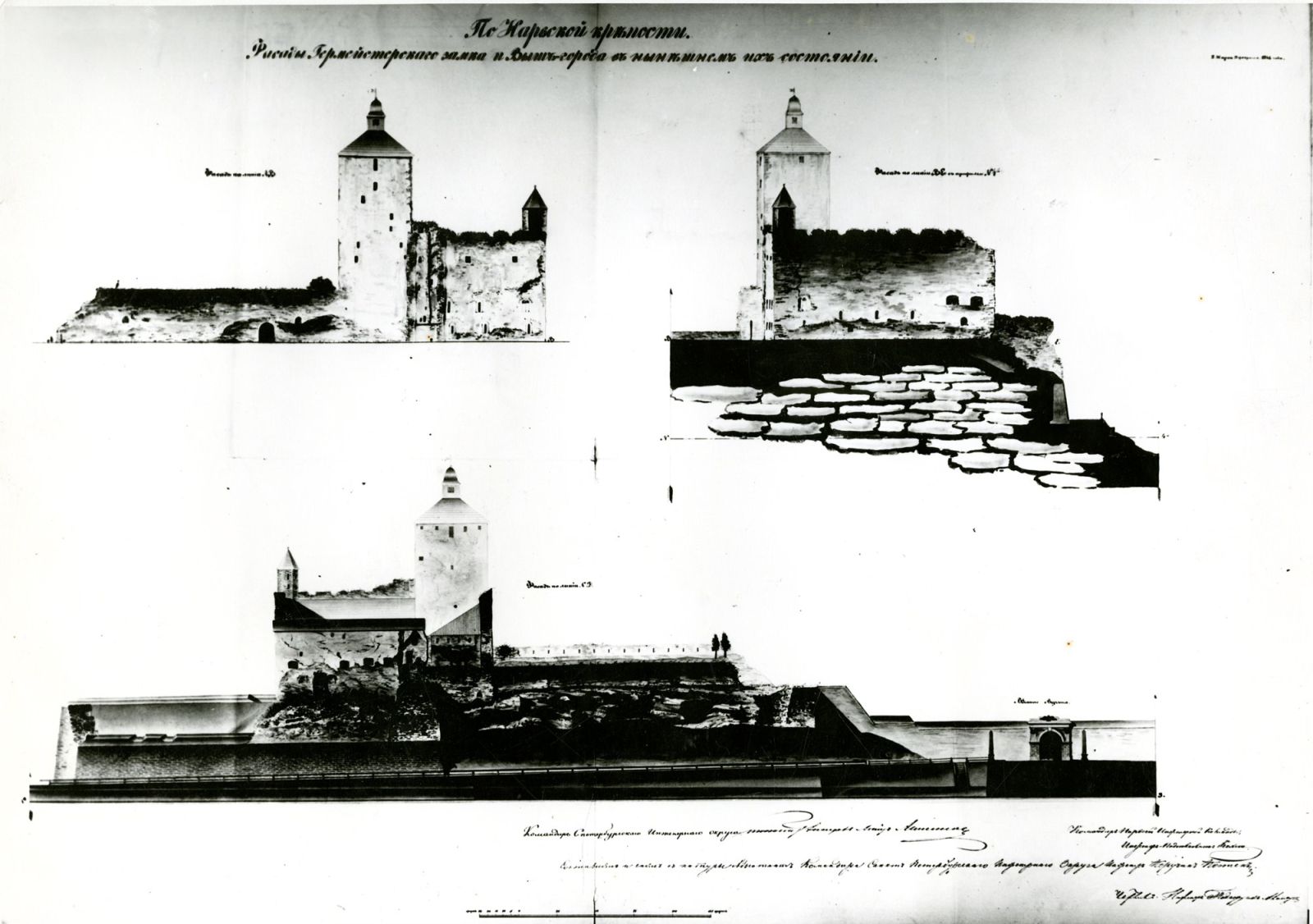
Drawing depicting the condition of Narva Castle in 1846. Created by the Narva engineering team under the leadership of engineer-lieutenant colonel Kehli. Russian State Military Historical Archive (copy from Narva Museum archive)
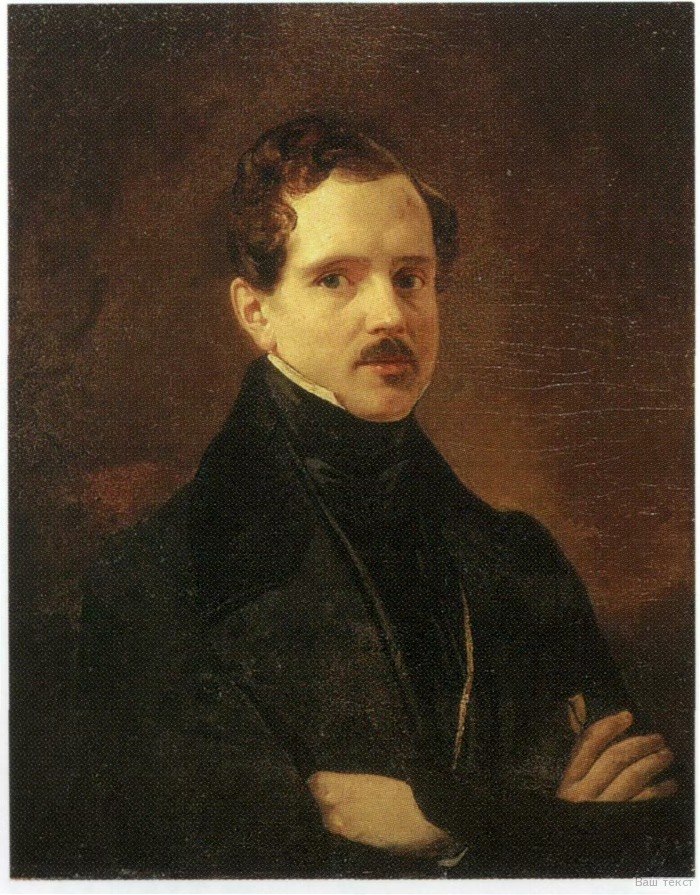
Pyotr Basin. Portrait of M.D. Rezvoy. 1837–1838
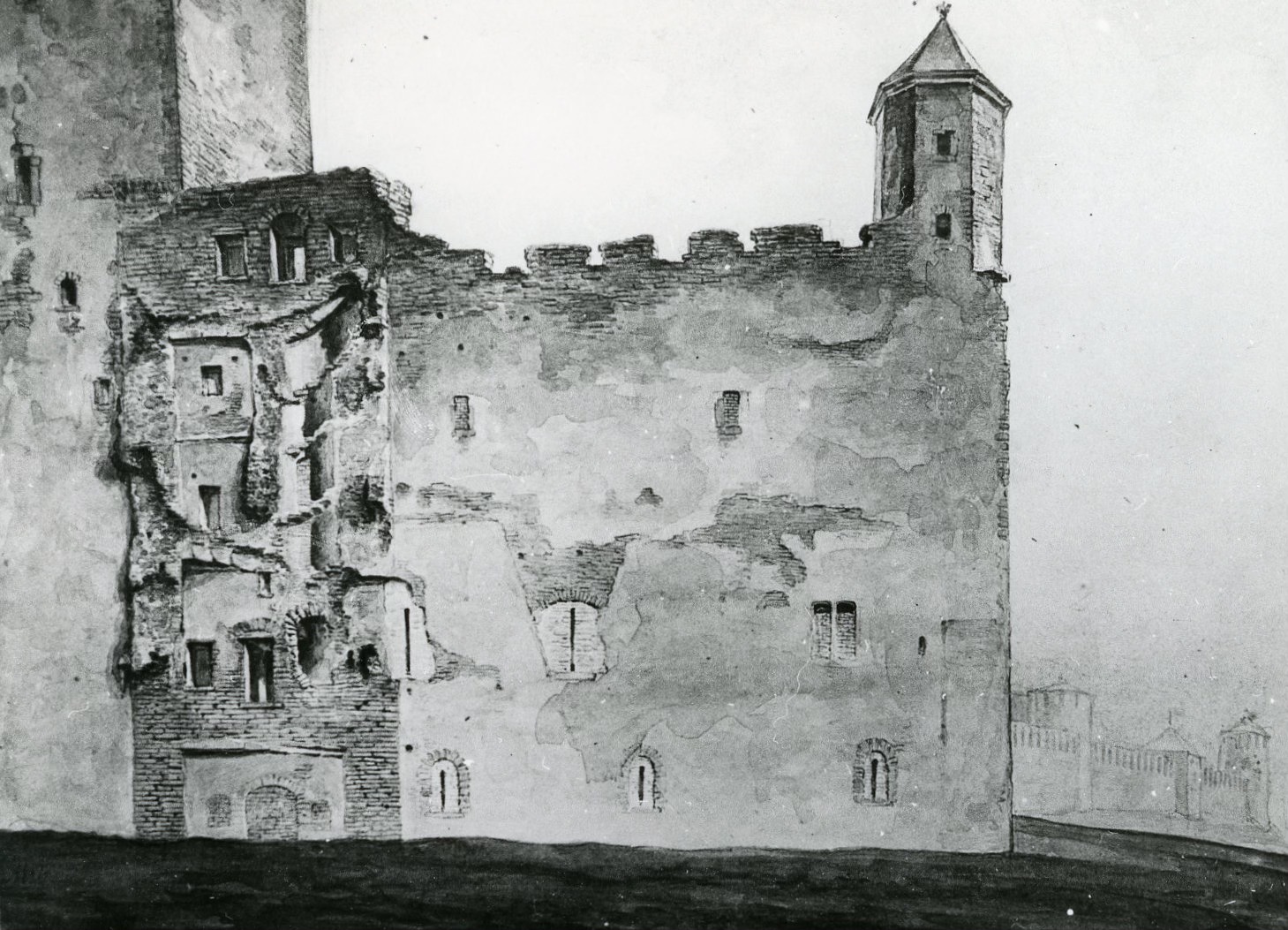
Condition of the Western flanking tower in 1846. Drawing by Modest Rezvoy. Russian State Military Historical Archive (copy from Narva Museum archive)
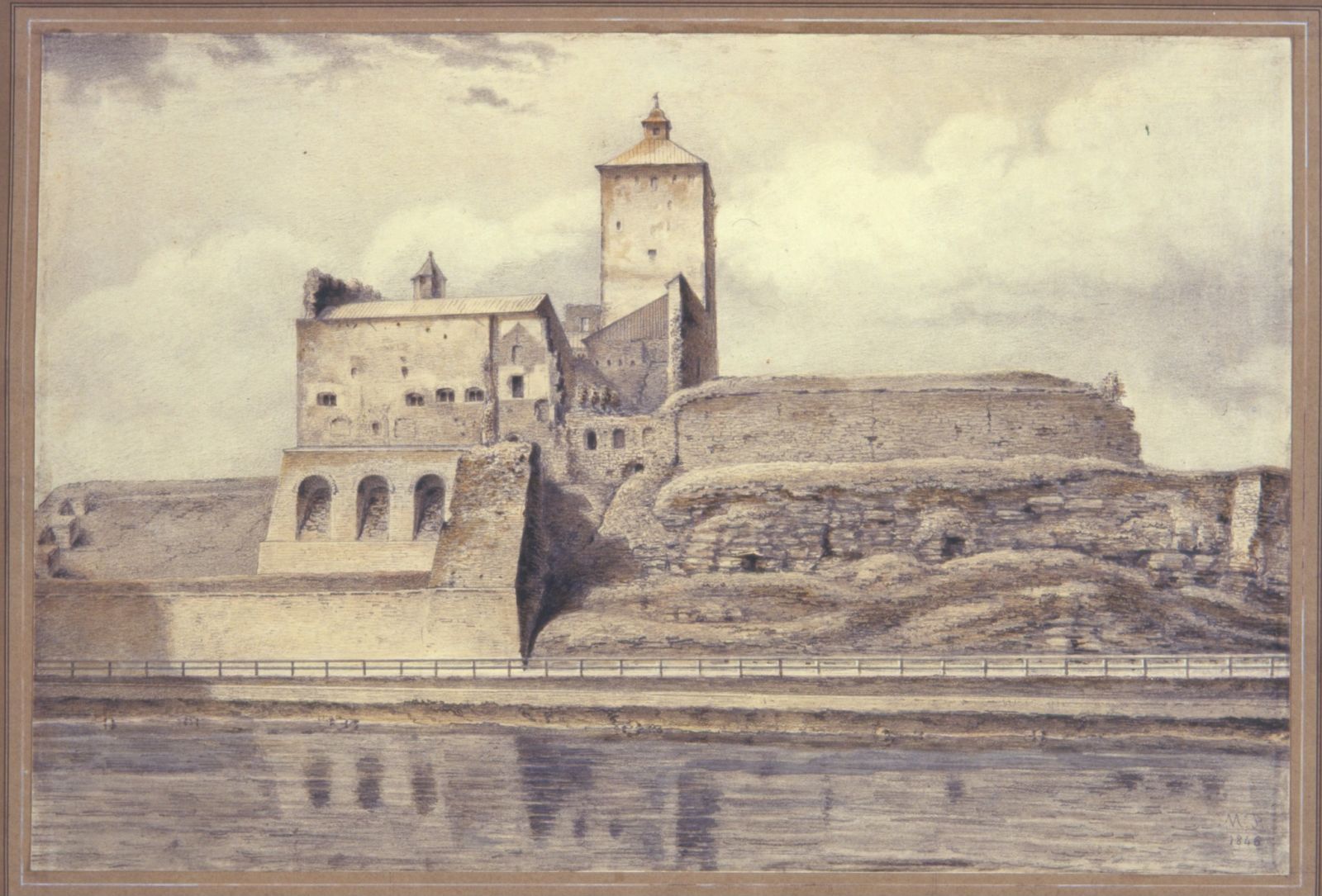
View of Hermann Castle from the eastern side facing the Narova River. Drawing by Modest Rezvoy. 1847. Russian State Military Historical Archive
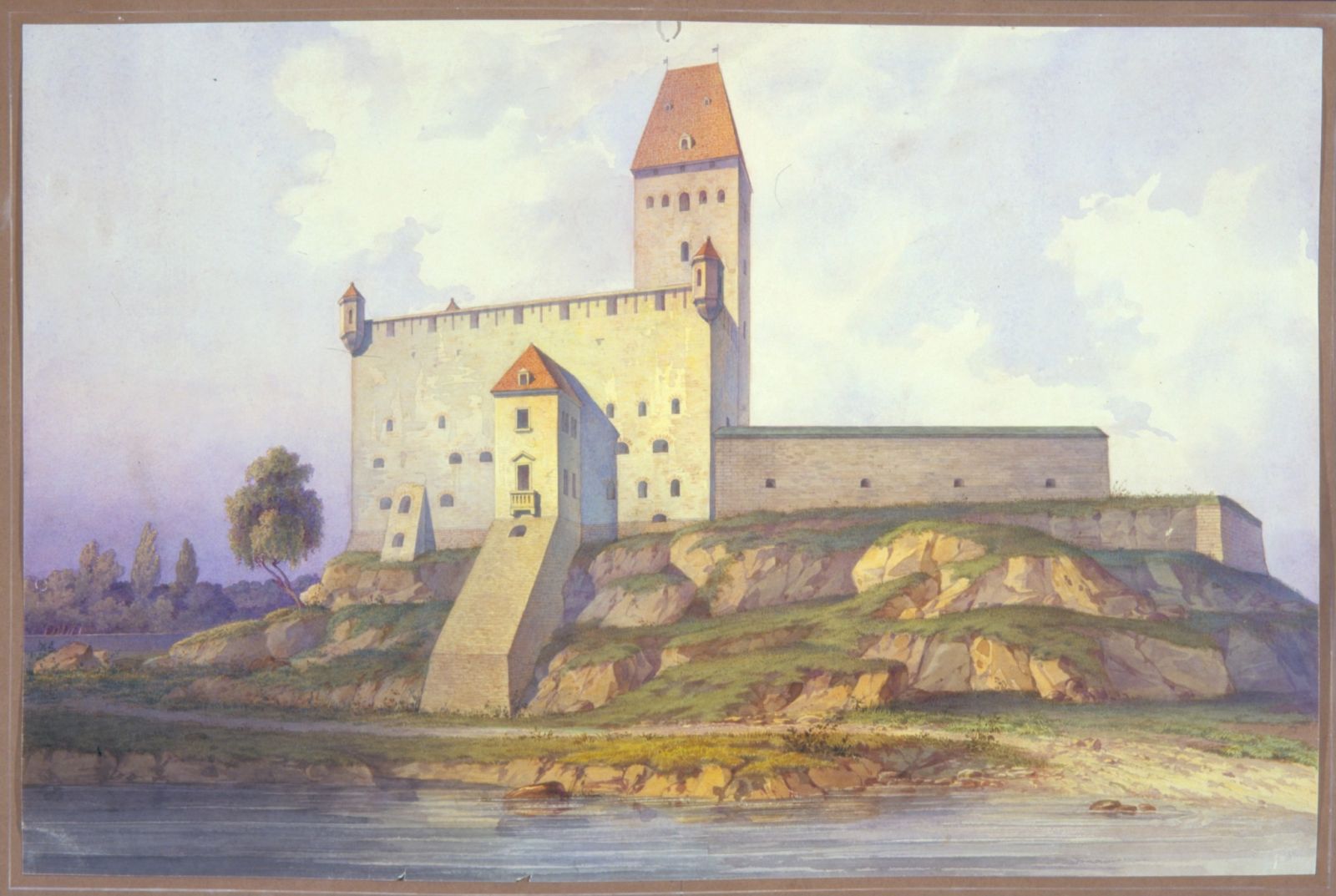
Reconstructed view of the original state of Hermann Castle in Narva. Drawing by Modest Rezvoy. 1847. Russian State Military Historical Archive
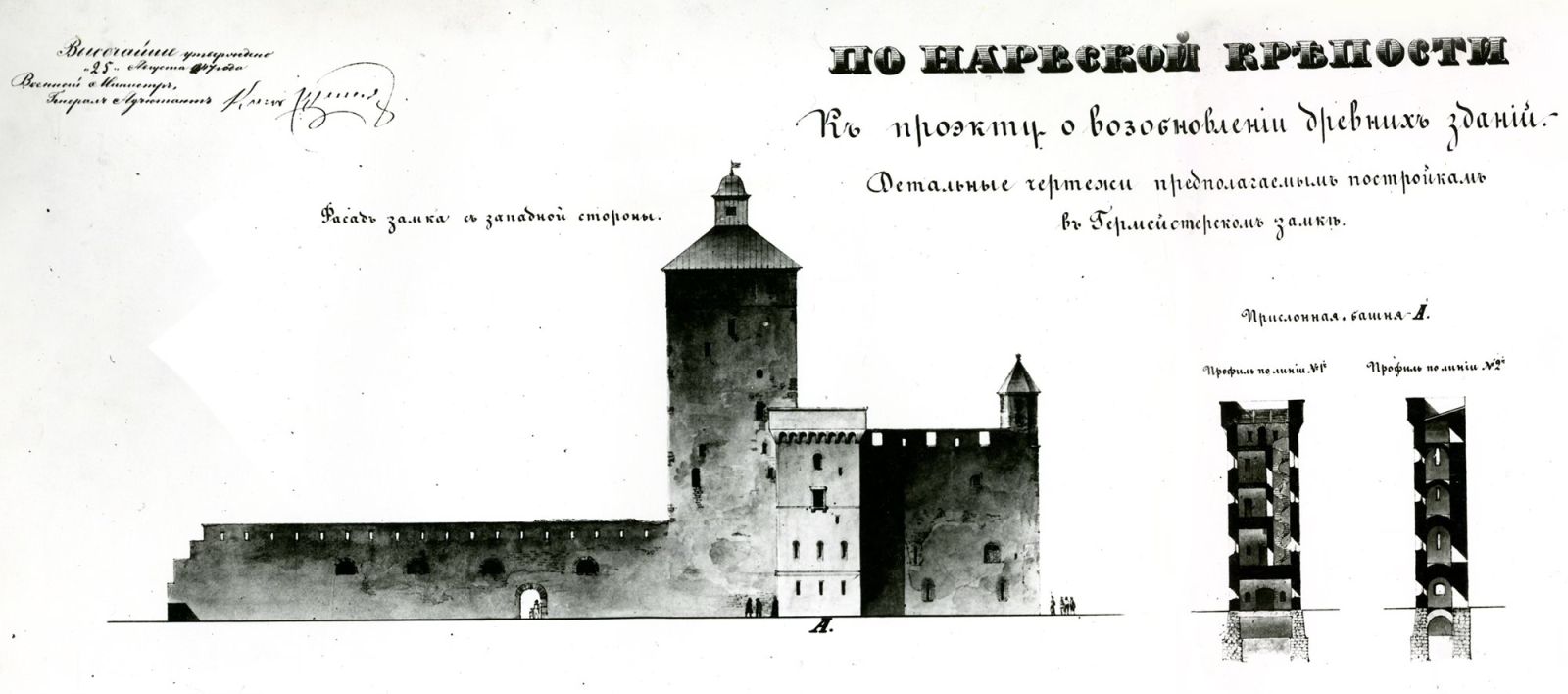
Reconstruction of the Western flanking tower of Narva Castle. Drawing by Modest Rezvoy. 1847. Russian State Military Historical Archive (copy from Narva Museum archive)