Kindergarten and Primary School (Stage I)

What is a museum?
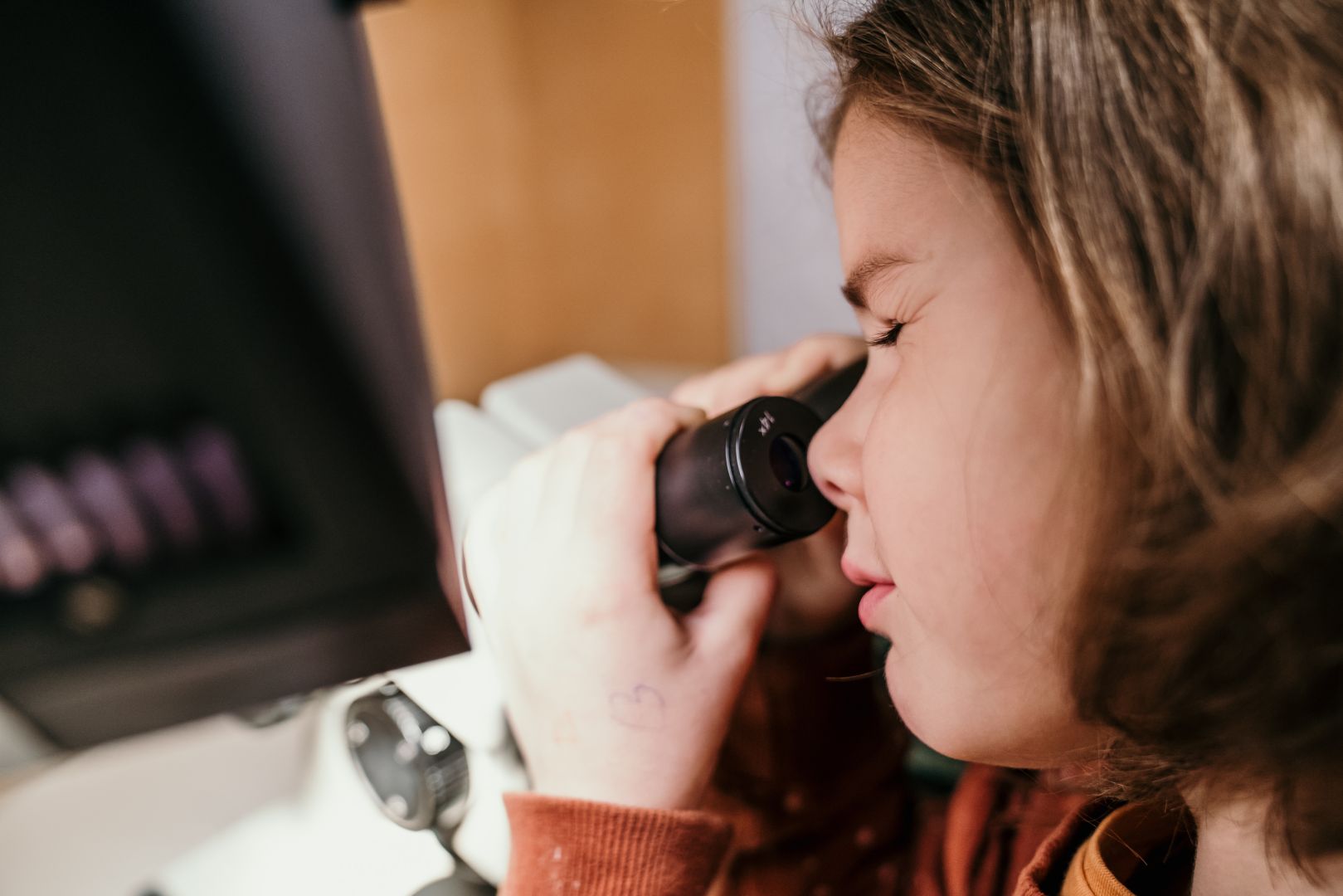
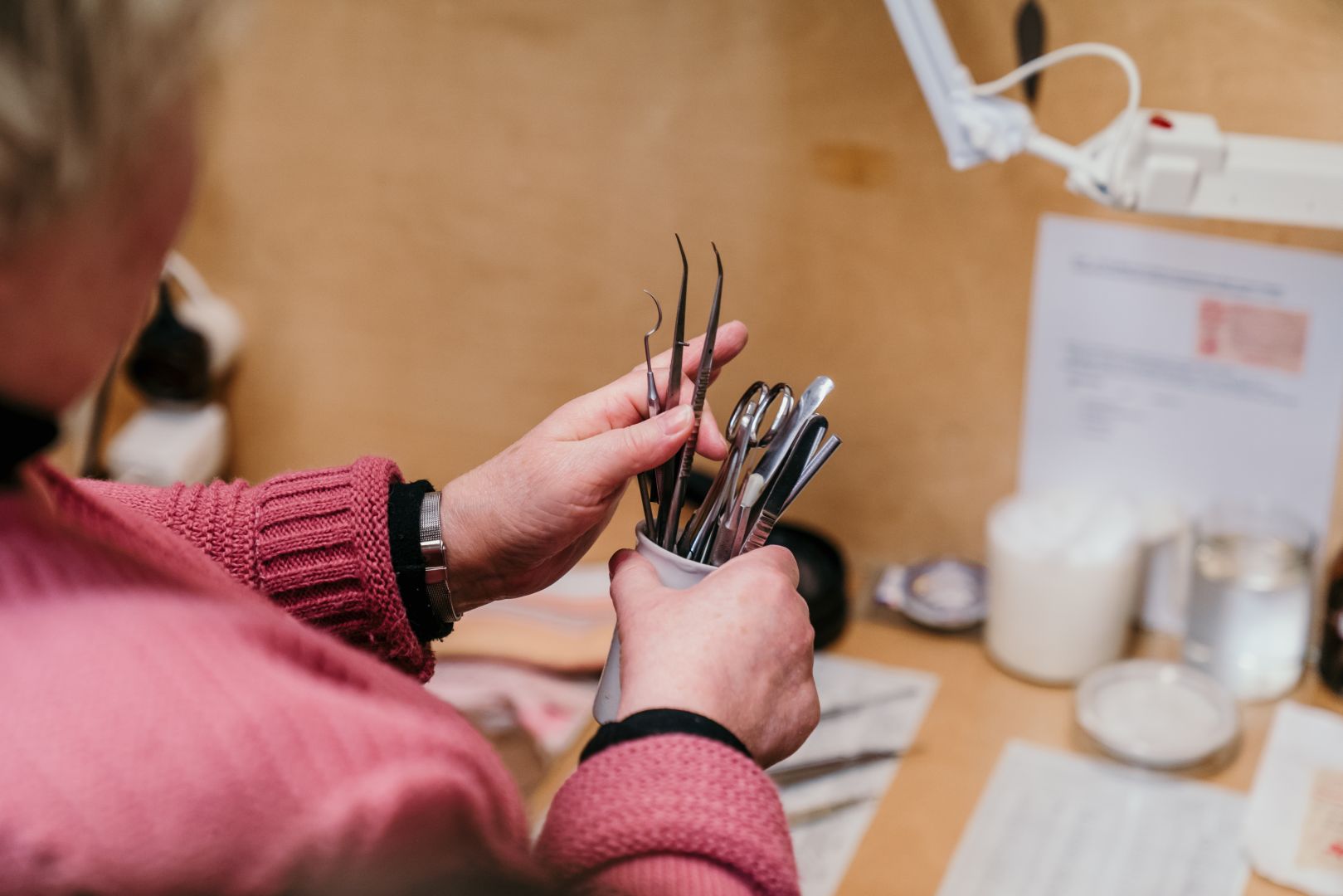
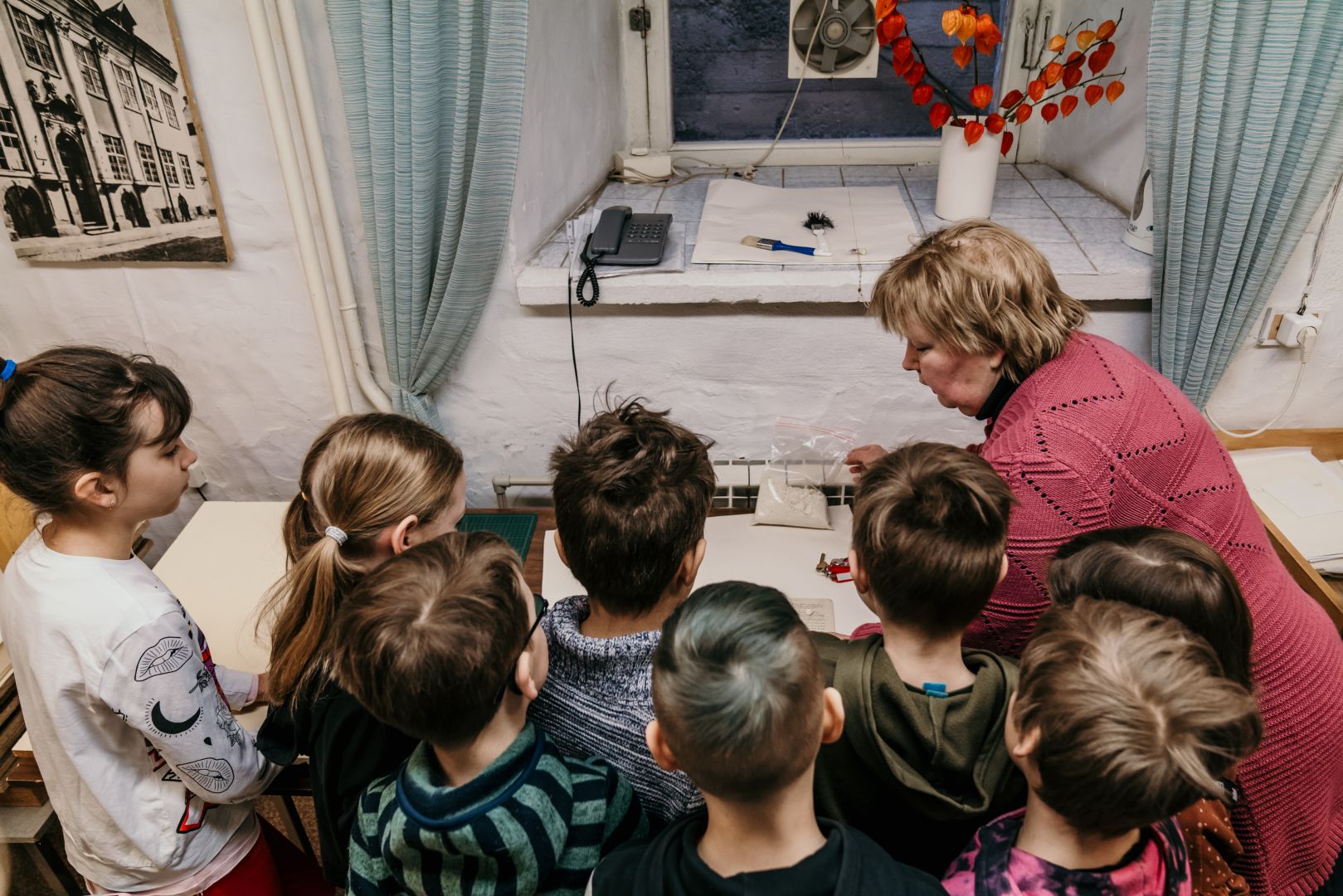
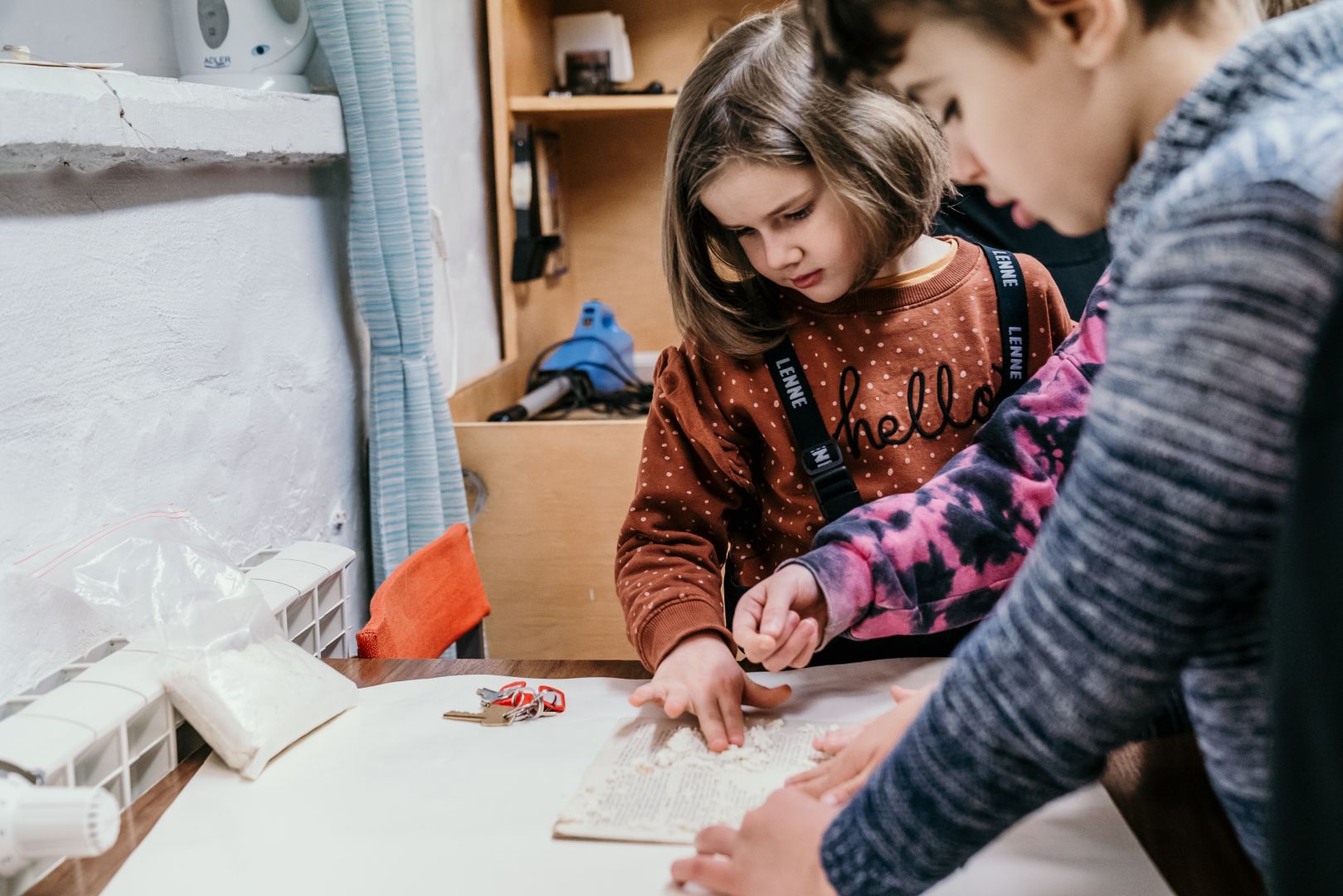
An introductory session on how museums preserve and interpret the past. We explore how a museum differs from a school and a library, what types of collections exist, and why some objects become exhibits while others remain everyday items. Participants learn how to handle objects with care and become familiar with key concepts such as exhibit, exhibition, collection, and restoration.In the practical part, we try basic archaeological tools and see how a find is transformed into a museum object.
If I Were a Knight
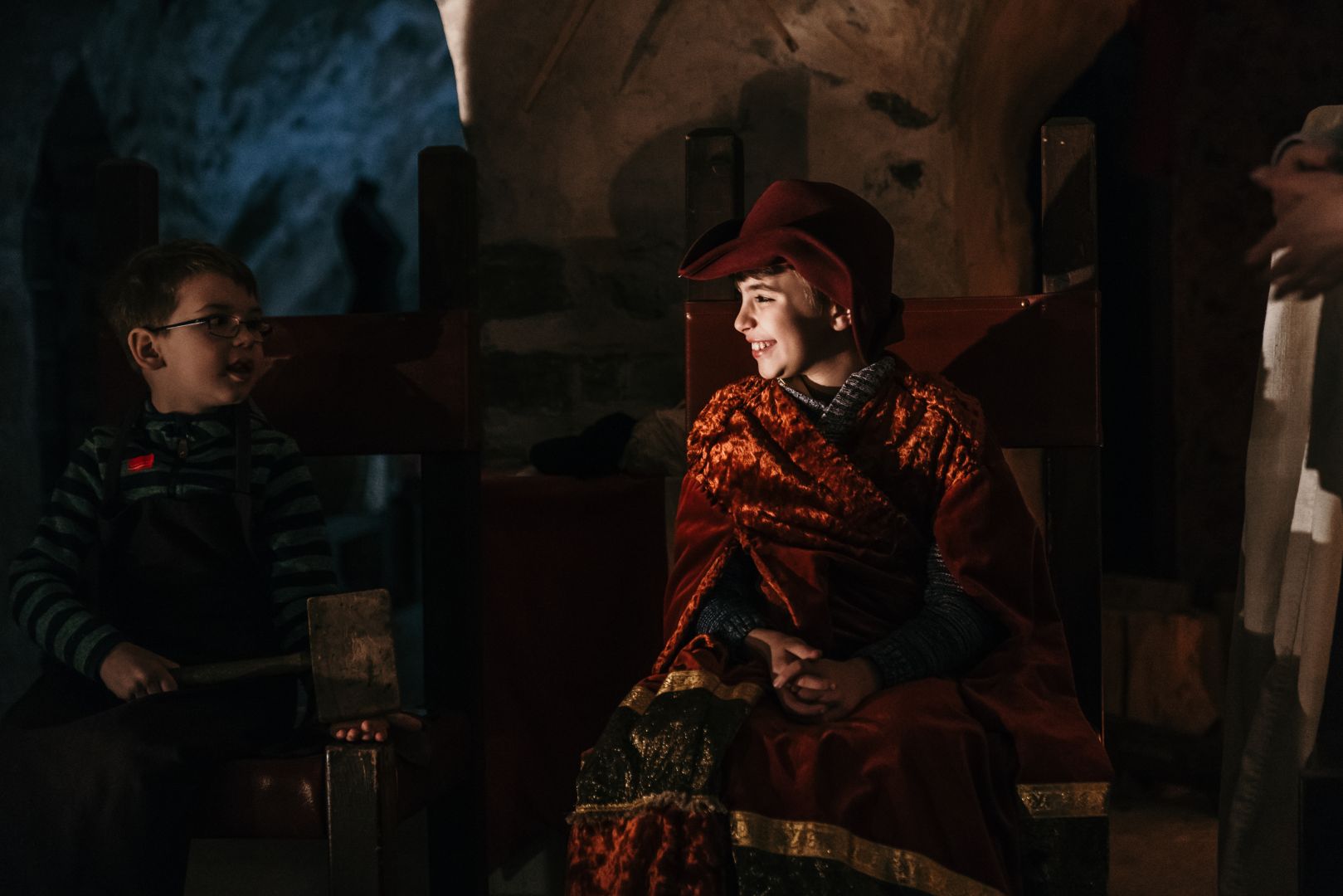
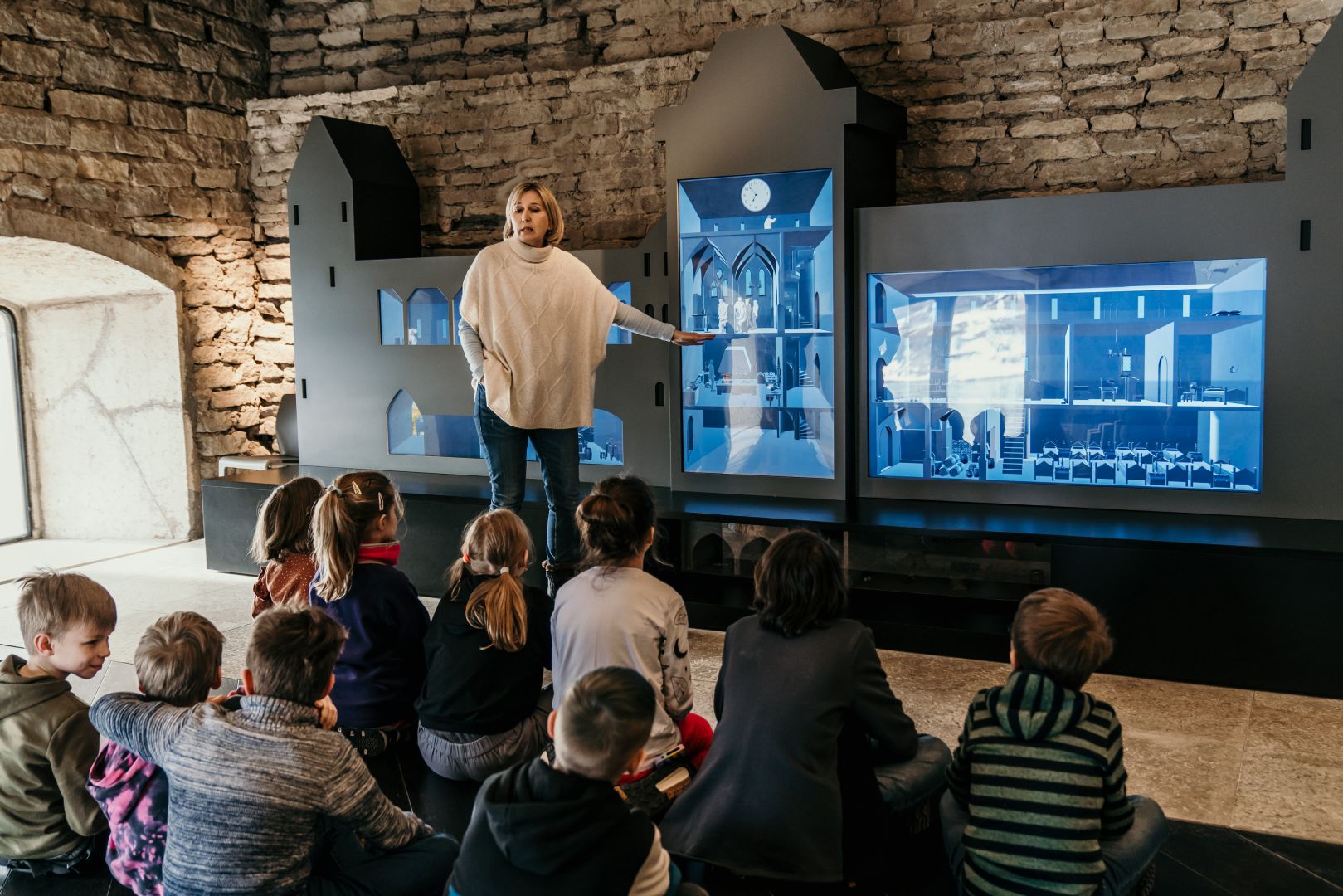
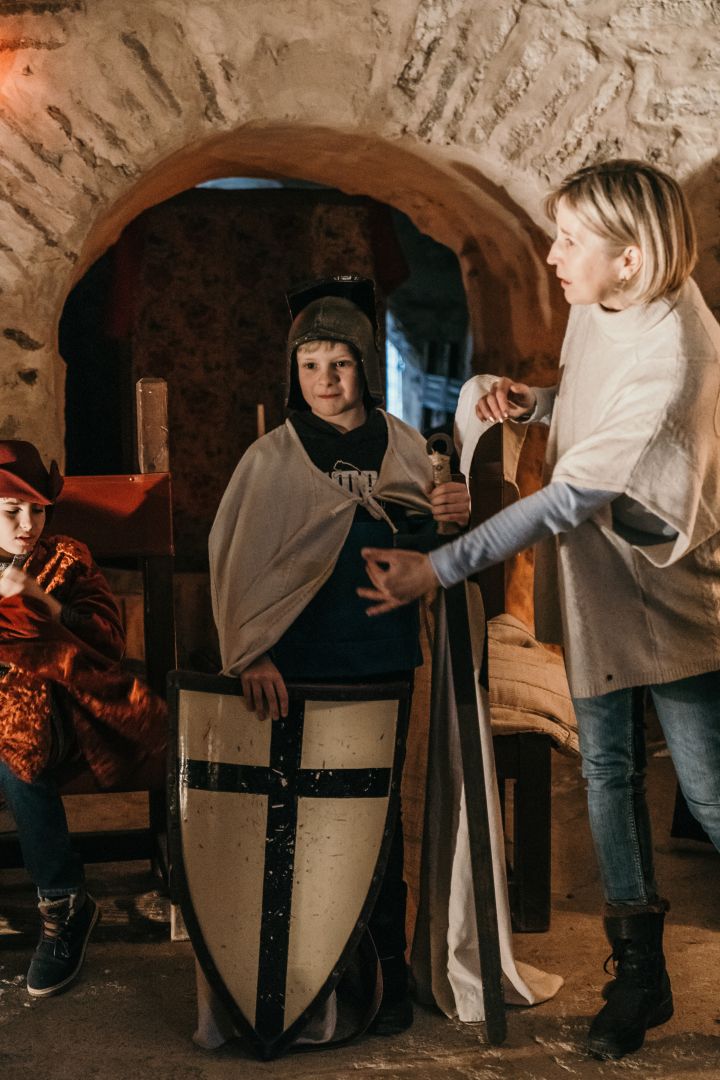
We dive into the world of a knight: who could become one, what armor was made of, how symbols on coats of arms worked, and why they were important. We compare popular images of knights with historical facts, examine pieces of equipment, and discuss rules of conduct.In the practical part, participants create a paper castle and discuss how fortresses protected their inhabitants.Key concepts: knight, armor, Middle Ages
Narva - River and City
We explore how the river influenced people’s lives: trade and bridges, fishing and borders, safety and urban development. We discuss how the river changed under human influence and how people adapted to its character.In the practical part, participants create a “Narva fish” as a symbol of the city’s connection with the river.Key concepts: river, city, trade
Urban Legends/u>
We get acquainted with Narva’s urban folklore: secret passages, symbols on facades, heroes, and their stories. We look for real historical details hidden in legends and discuss why such stories endure for centuries.In the practical part, participants create a mask, prop, or costume element inspired by a chosen legend and try out a short scene.Key concepts: legend, folklore, character
Estonian Folk Games
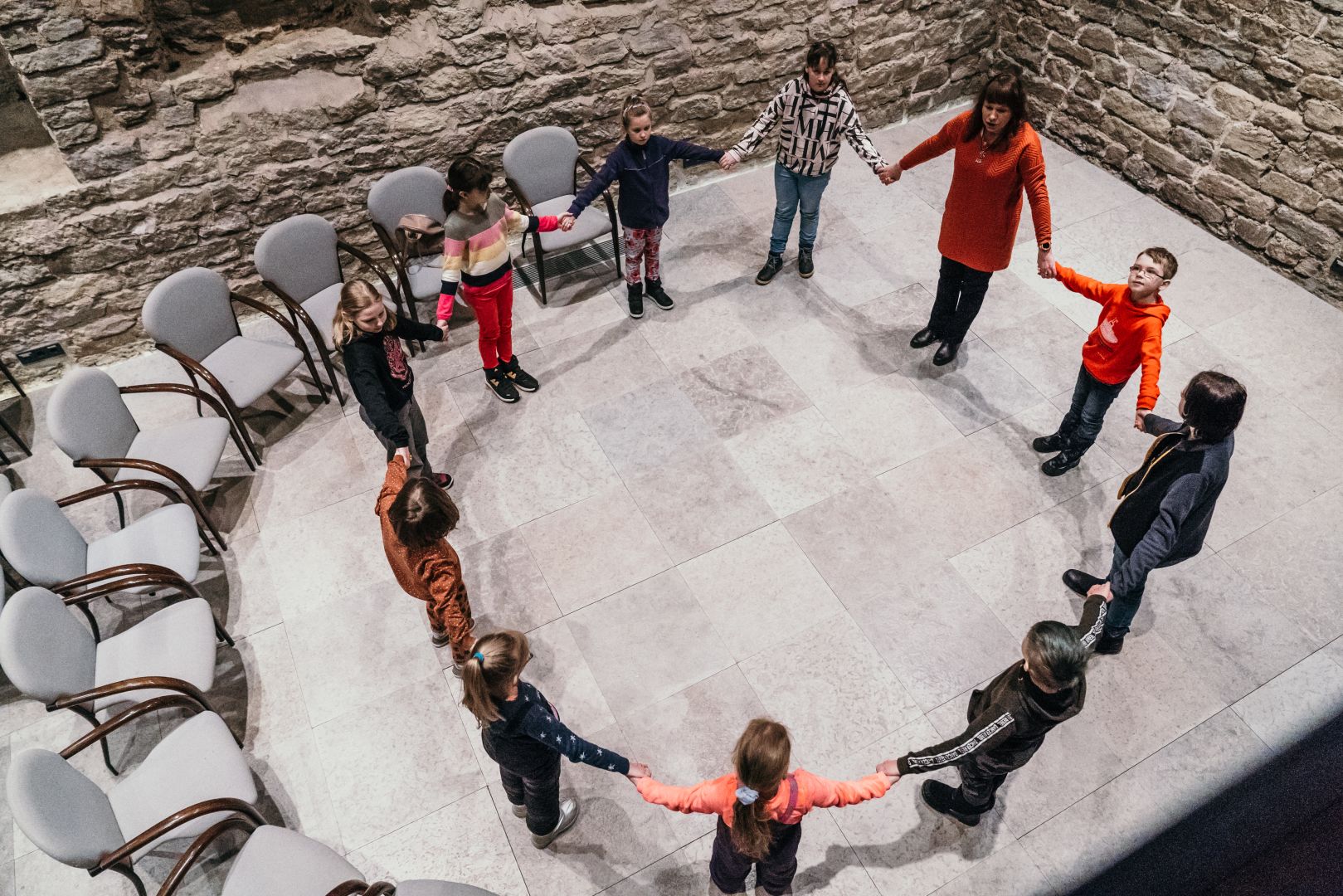
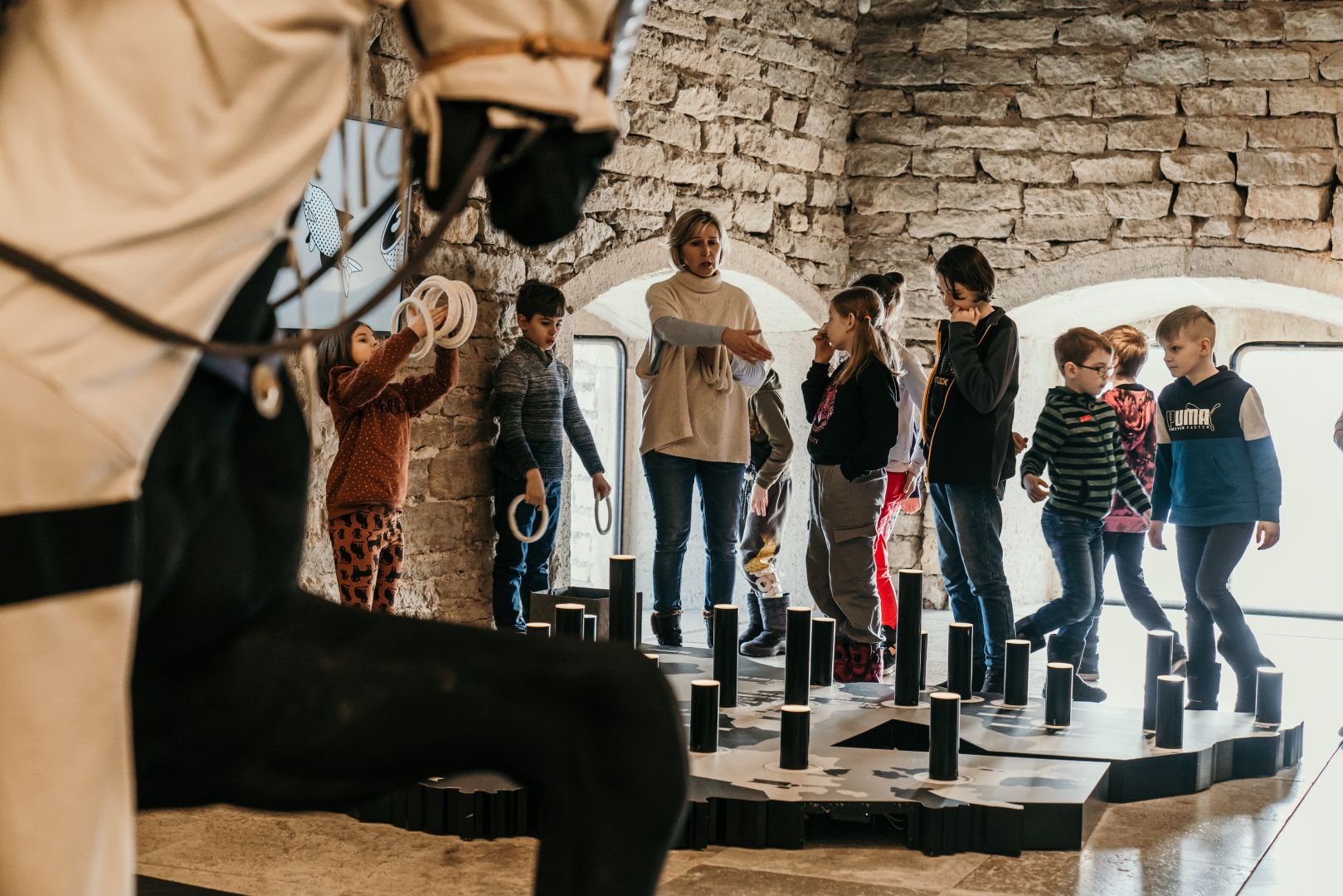
What do children of all times and cultures have in common? The desire to play. In this program, participants learn about traditional Estonian folk games passed down through generations. We play active and musical games, try singing folk songs, and see how joyful play becomes part of tradition.Key concepts: tradition, play, movement
What is Alchemy and Who Were the Alchemists
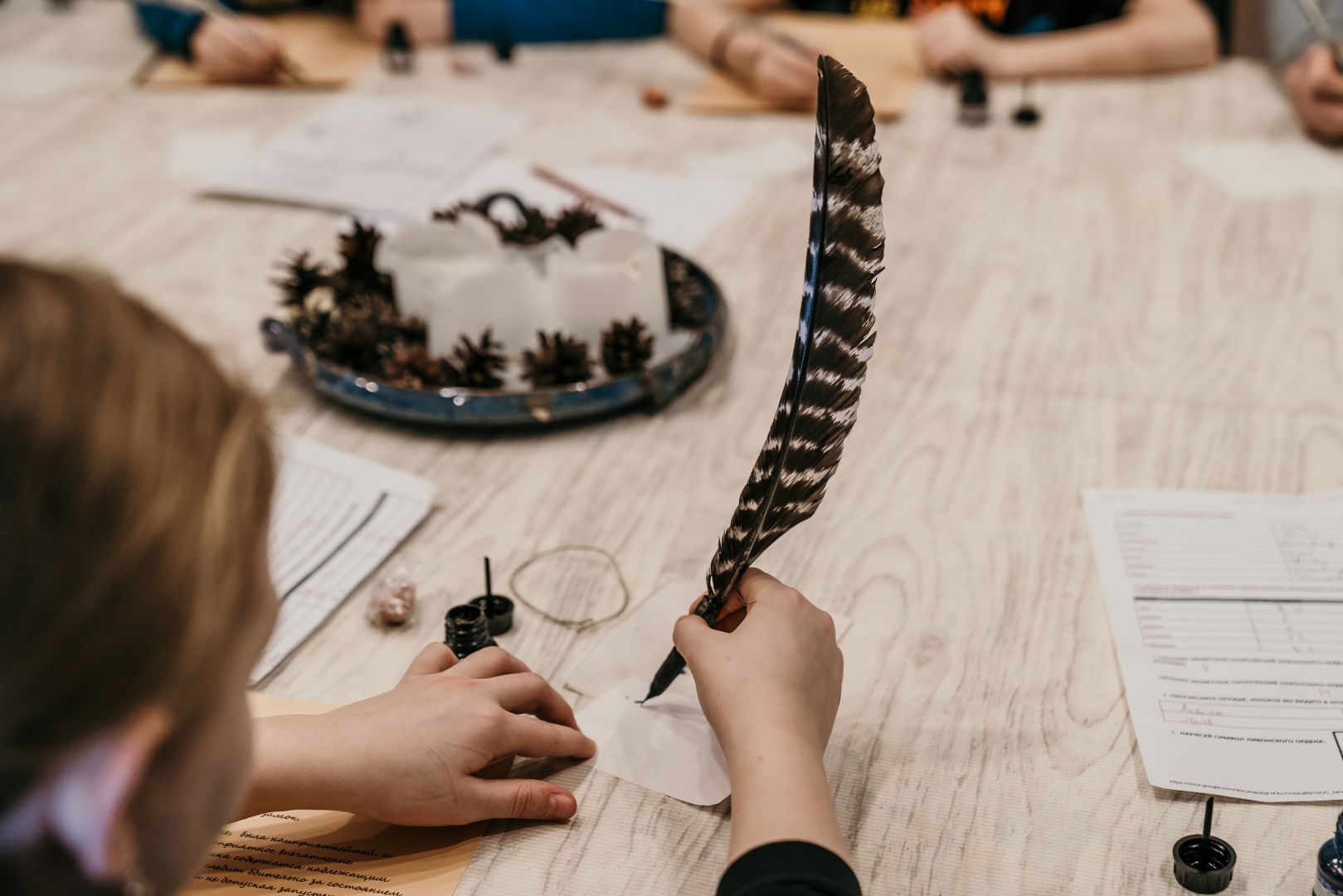
From the “philosopher’s stone” to experimentation and observation: we discuss what alchemists did, how their symbolic language worked, and how their ideas contributed to the emergence of modern chemistry. We explore concepts of substances and transformation.In the practical part, participants carry out several simple and safe experiments to see the “magic” with their own eyes.Key concepts: alchemy, substance, experiment
Symbols of Narva
We search the city for lions, fish, and dragons—on facades, coats of arms, and decorative sculptures. We explore what these images mean and why they were chosen to decorate homes and public buildings.In the practical part, participants create a small soap figurine inspired by the city’s symbolism.Key concepts: symbol, architecture, sculpture
“Kadri and Mardi Come to Visit!”
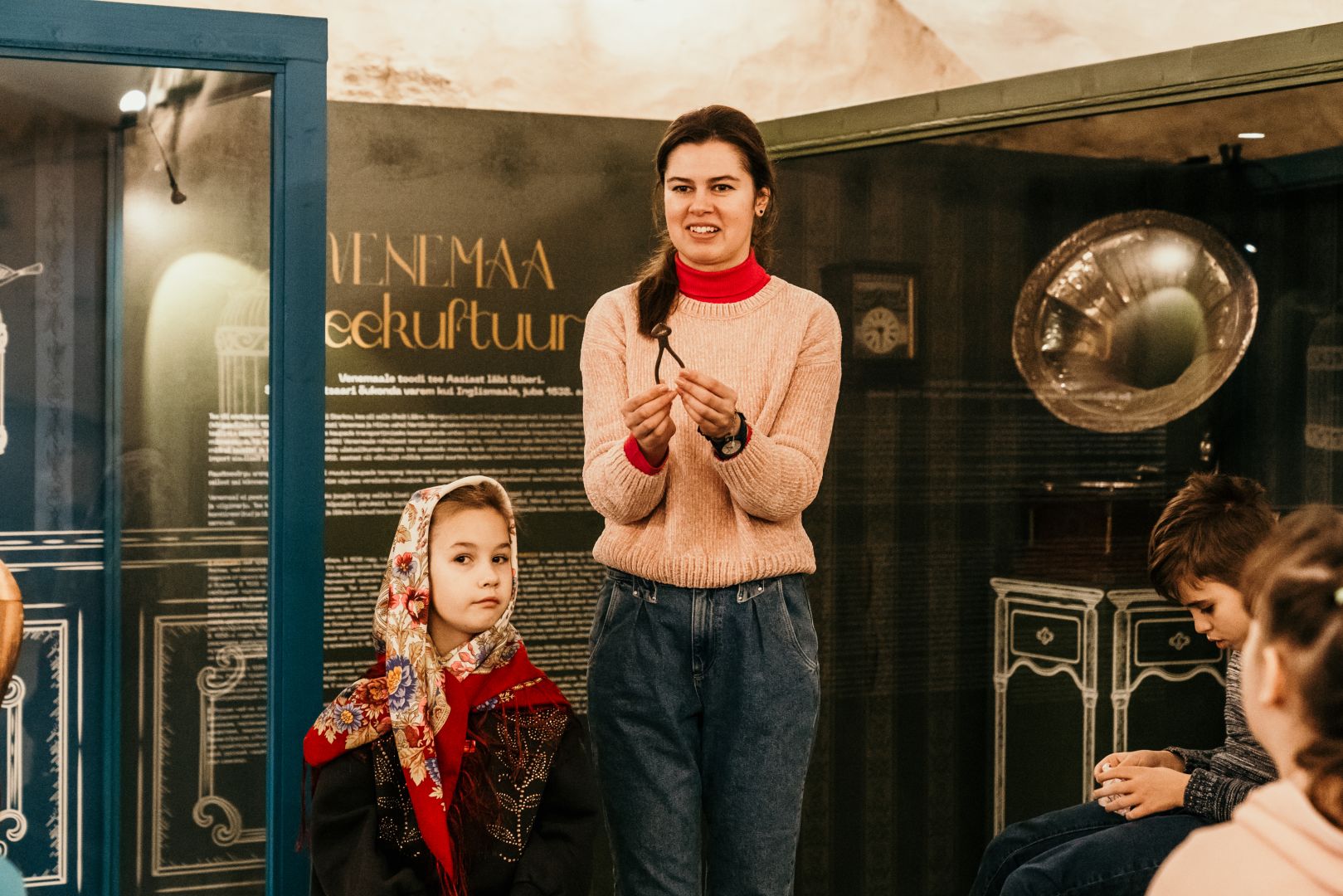
There is something magical about November darkness: a candle flame, the rustle of fallen leaves, and footsteps at the door. This educational program of the Narva Museum рассказывает о том, how the holidays Kadri Day and Mardi Day were formed and their place in the Estonian folk calendar.We talk about the tradition of dressing up in unusual costumes and visiting homes, about wishes of good fortune, and why the Kadris are bearers of light while the Mardis bring fertility. We explore the origins and values of customs that strengthened community bonds across generations.Children play active games, learn short songs, and take part in a small role-play “visit.” Together we discuss which wishes are appropriate and how to make them kind. The program includes a creative activity and ends with a short summary and a joyful “circle of good fortune,” bringing warmth and unity into dark November days.The program can take place either in the castle or at the заказчик’s location (e.g., in a classroom).Suitable for primary school children.Price: €5 per participantDuration: 45 minutesMinimum group size: 10 participants
“Easter: Traditions, Meanings, and Games”
Looking for a meaningful and engaging April program that combines knowledge, play, and hands-on experience? The Narva Museum offers the educational program “Easter: Traditions, Meanings, and Games,” which helps children understand one of the most important spring holidays in an accessible and engaging way.During the session, children learn why Easter is celebrated and what it means in different cultures, discover similarities and differences in traditions, become familiar with Easter foods and sweets, and explore the symbolism of songs, customs, and games associated with the holiday.The program is interactive, allowing children to absorb material through participation, discussion, and play. It is convenient for teachers, as it can be held directly at a school or kindergarten, bringing the museum experience into a familiar environment. If desired, the session can also be organized at Narva Castle, where the historic setting enhances the experience.Available: April onlyTarget group: kindergarten children and students of grades I–IILanguages: Russian or EstonianGroup format: one group or class
- Cost: 5 € per child
- Duration: 60 minutes
- Minimum group size: 10
- Languages available: Estonian, Russian, Ukrainian
Supervision: One accompanying adult free per 10 children; each additional adult €3
.png)